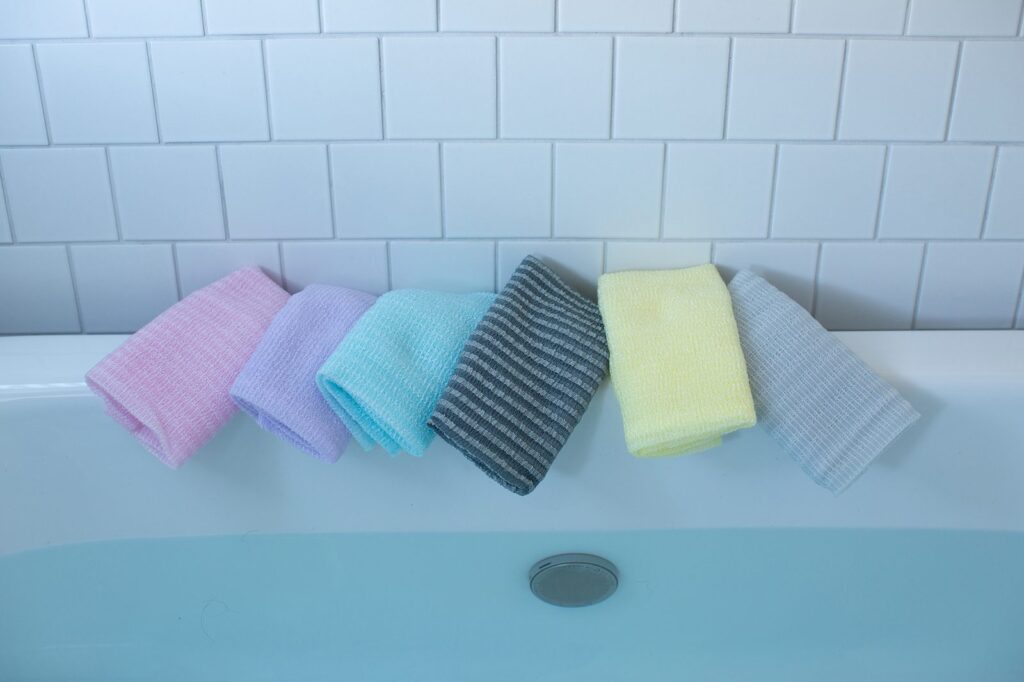



If you have ever used a Japanese body towel, you know it does not feel like an ordinary washcloth. It is longer, firmer, and turns a single drop of soap into a thick, airy lather in seconds. So what exactly is a body towel from Japan, and why has this simple woven cloth become a bathing essential around the world?
What is a Japanese body towel?
A Japanese body towel — sometimes called a wash towel or exfoliating towel — is a long, narrow woven cloth, typically around 90–120 cm. You hold it at both ends and draw it across your back, so it cleans the whole body, including the places a sponge or square washcloth can never reach. It is the everyday tool behind Japan’s famous “wash first, soak second” bathing culture.
Why it is different from a washcloth
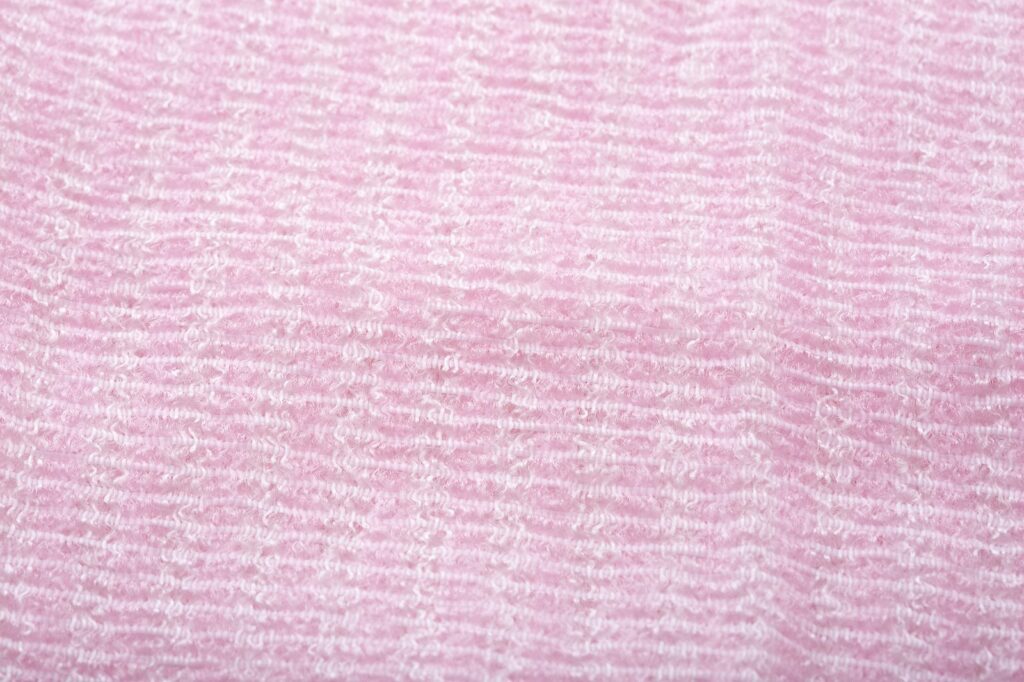
The secret is the weave. Tightly engineered nylon — or blends with cotton, silk protein (sericin) or natural konjac — creates thousands of tiny pockets that trap air and water. That structure is why a pea-sized amount of body wash erupts into a dense foam, and why the surface lifts away dead skin and buildup without a harsh scrub. A Western washcloth is a flat square you cannot reach your back with; a Japanese body towel is engineered for the whole body.
The benefits at a glance
- Rich, fast lather. More foam from less product means a more luxurious wash and lower cost per use.
- Gentle exfoliation. The textured weave smooths skin and helps keep pores and rough spots clear.
- Better hygiene. Unlike a dense sponge, a thin woven towel dries quickly between uses, discouraging odour and bacteria.
- Longevity. A quality towel keeps its structure through months of daily use.
Soft, regular or firm?
Japanese body towels are graded by firmness. Soft weaves suit sensitive or dry skin; regular is the everyday all-rounder; firm gives a brisk scrub for the back, elbows and heels. The fibre matters too — nylon for the strongest foam and longest life, sericin (silk protein) for a smoother, more pampering finish, and konjac for the gentlest touch. For a full breakdown, see our guide to choosing nylon, konjac or sericin.
How to use and care for it
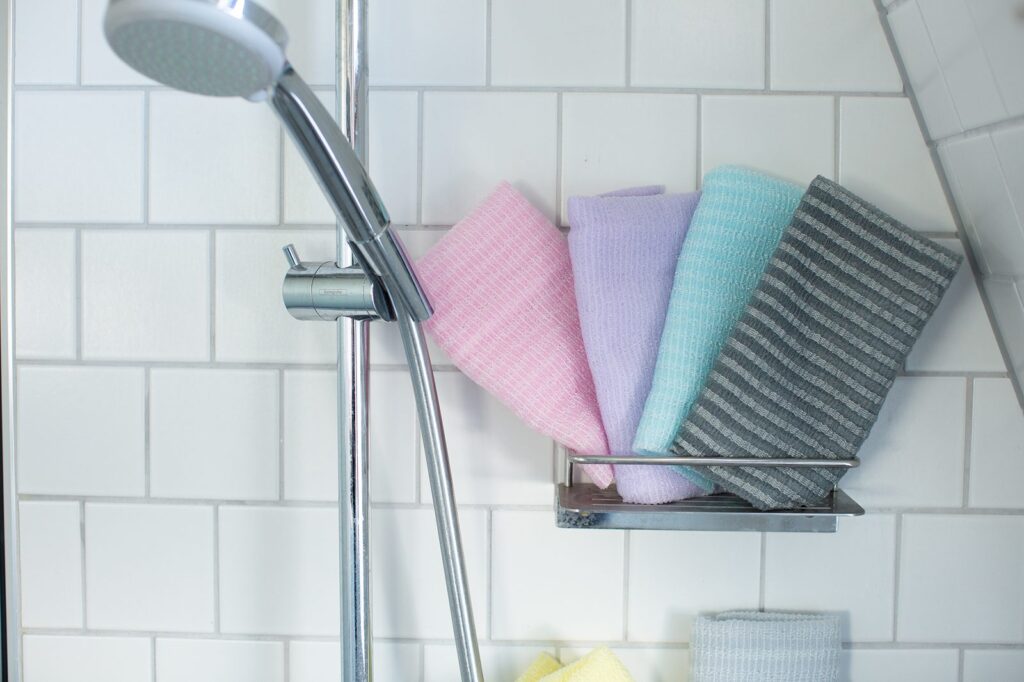
Wet the towel, add a small amount of body wash to the centre, then bunch and rub to build foam before washing in long strokes. Rinse well and hang it flat to dry — never leave it balled up in a wet corner. For the full method, read how to use a Japanese body towel for the perfect lather, and see where it fits in the Japanese bathing ritual.
Sourcing Japanese body towels wholesale or OEM
Most “Japanese-style” towels on the global market are not actually made in Japan. Aisen has woven bath goods in Kainan, Wakayama for more than 70 years, in every firmness grade, weave and colour, with private-label and OEM options for retailers and distributors. If you are evaluating a Japanese body towel for retail, subscription or hospitality supply, explore our body towel OEM page and wholesale terms, or contact us for samples and pricing.
Frequently asked questions
What is a Japanese body towel made of?
Most are woven from nylon or a blend with cotton, silk protein (sericin) or natural konjac. The engineered weave — not the fibre alone — is what creates the signature foam and gentle exfoliation.
How is it different from a loofah or sponge?
It is a long, thin woven cloth rather than a bulky sponge, so it reaches the back, lathers more efficiently and dries faster between uses.
Is a Japanese body towel good for sensitive skin?
Yes, if you choose a soft weave or a konjac blend. These exfoliate gently and rinse clean; firmer nylon grades suit a more vigorous scrub.
Can I order Japanese body towels wholesale or under my own brand?
Yes. Aisen offers wholesale and OEM/private-label body towels made in Japan, with options for firmness, length, colour and custom packaging.