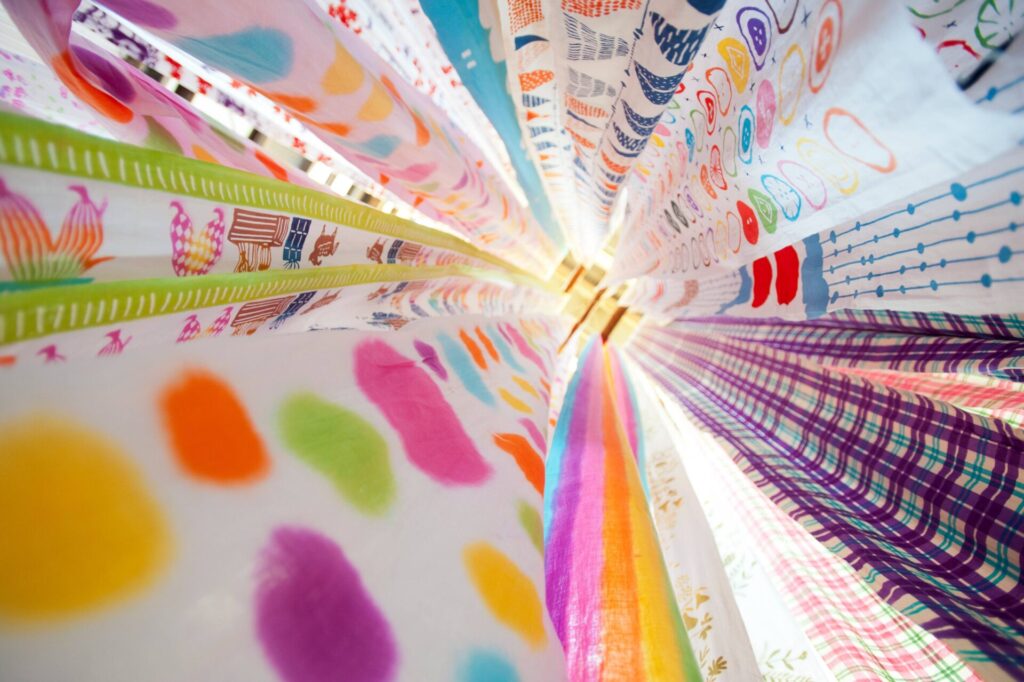



Have you noticed the rising popularity of Japanese Tenugui Towel recently? While it may look like a simple cotton towel at first glance, the Tenugui is a masterpiece of Japanese craftsmanship that has been used for centuries.
Today, we explore why this traditional item is gaining attention globally, the secrets behind its unique dyeing process, and the mission to save this fading art form.
More Than Just a Towel: How to Use Tenugui Towel
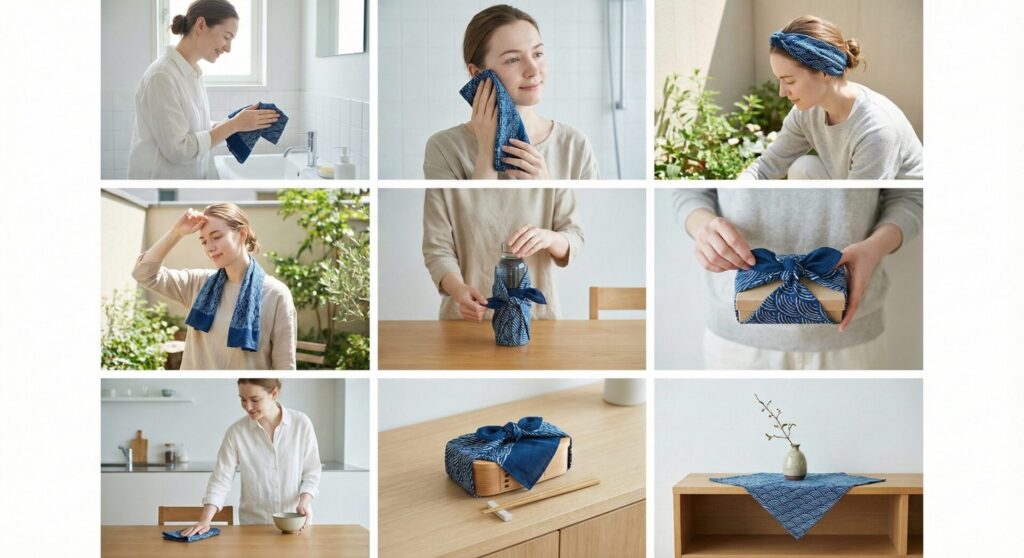
In Japan, Tenugui Towel was historically used as a daily necessity for wiping hands or drying the body. However, in modern times, its usage has evolved significantly due to its beautiful designs and versatility.
Here are some popular ways to use Tenugui Towel today:
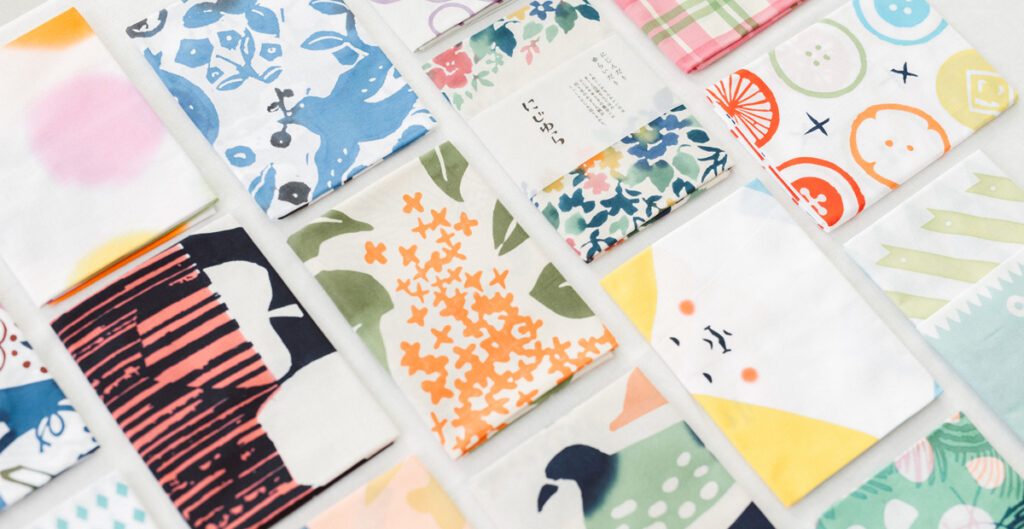
- Interior Decoration: Many people frame Tenugui Towel like a painting or hang it as a tapestry to change the atmosphere of a room according to the season.
- Fashion: It serves as a stylish scarf, a headband, or even a pocket square.
- Sustainable Wrapping: Similar to Furoshiki, Tenugui Towel can be used to wrap gifts. It is an eco-friendly alternative to disposable wrapping paper because the recipient can use the towel afterward.
- Daily Life: Of course, it is still perfect for wiping dishes or drying hands. It dries much faster than terry cloth towels, making it very hygienic.
The Magic of “Chusen”: Why the Pattern is on Both Sides
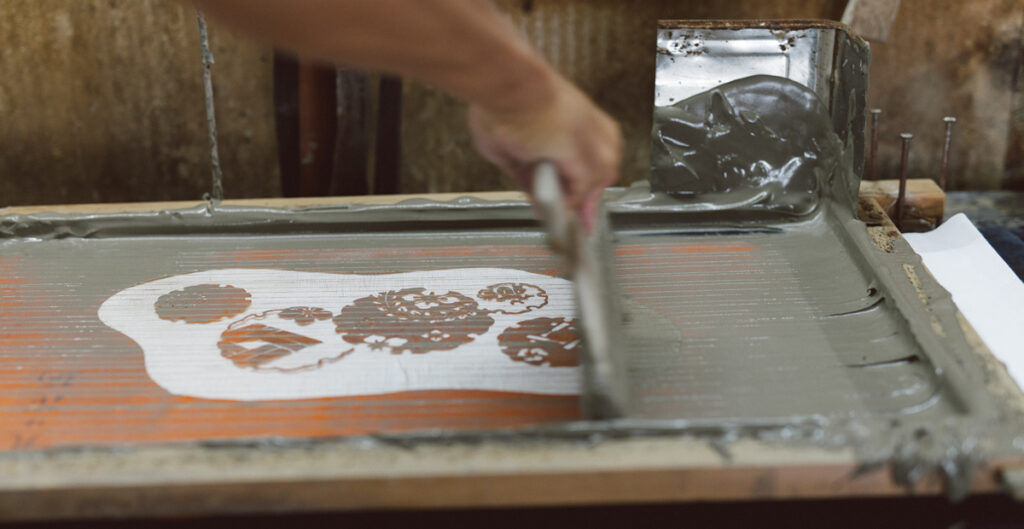
Not all Tenugui are created equal. The most authentic and high-quality Tenugui are made using a technique called “Chusen” (Pour Dyeing).
If you look at a standard printed towel, you will notice that the back is usually white or faded. This is because standard printing only applies ink to the surface.
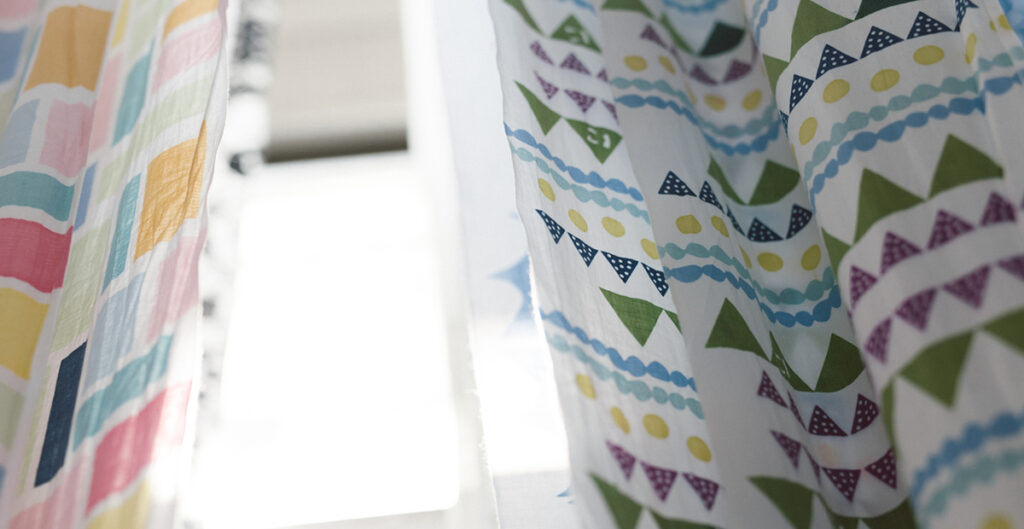
The Chusen Difference: However, with Chusen Tenugui, the pattern is vividly visible on both the front and the back.
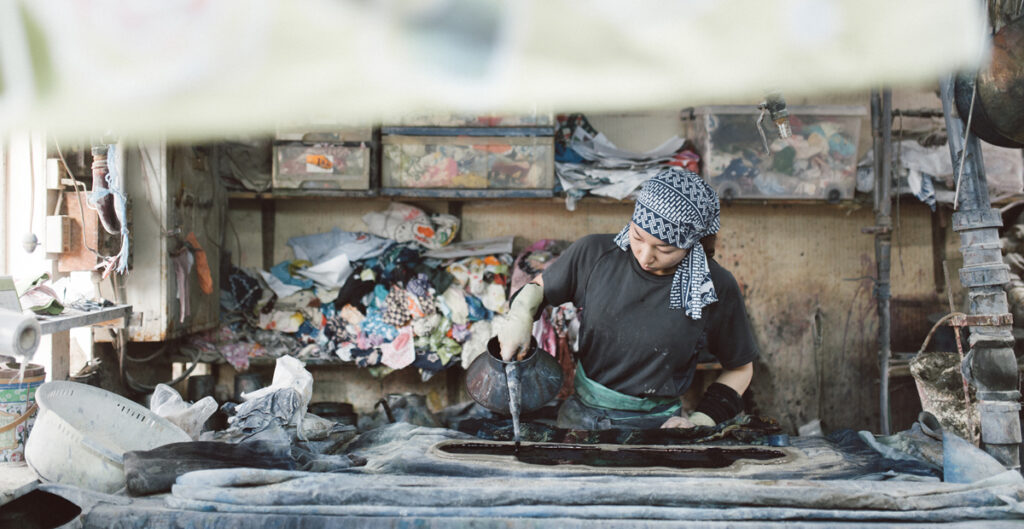
- Penetration: In the Chusen process, artisans pour dye directly onto the fabric. A vacuum pump pulls the dye all the way through the layers of cloth.
- Texture: Because the dye penetrates the fibers rather than sitting on top, the fabric remains breathable and incredibly soft.
- Unique Character: This manual process creates delicate gradations and slight blurring (Nijimi), giving each piece a unique, warm look that machines cannot replicate. brands like Nijiyura are famous for utilizing these characteristics to create modern, art-like designs.
A Craft in Danger: Fewer Than 20 Factories Left
Despite the beauty and functionality of Chusen Tenugui, the industry faces a crisis. Decades ago, there were many factories across Japan. Today, due to mass production and changing lifestyles, there are fewer than 20 factories left in Japan that can perform this authentic Chusen dyeing.
It is a complex skill that requires years of experience to master. Once these artisans retire, we risk losing this technique forever.
aisen Japan’s Mission: Connecting Tradition to the World
At aisen Japan, we believe that these traditional crafts should not just be preserved in museums but used and loved in daily life around the world.
We want to support these remaining factories by helping them expand beyond the domestic market. By assisting with the export business, we aim to introduce the genuine value of Japanese craftsmanship to a global audience. Every Tenugui purchased helps keep a factory running and a tradition alive.
Work With Us
Are you interested in handling authentic Japanese Tenugui for your business? Whether you have questions about specific products or want to know more about trading with Japanese factories, we are here to help.
Get in Touch Please fill out the inquiry form below with your questions or requests. Our team will get back to you shortly.